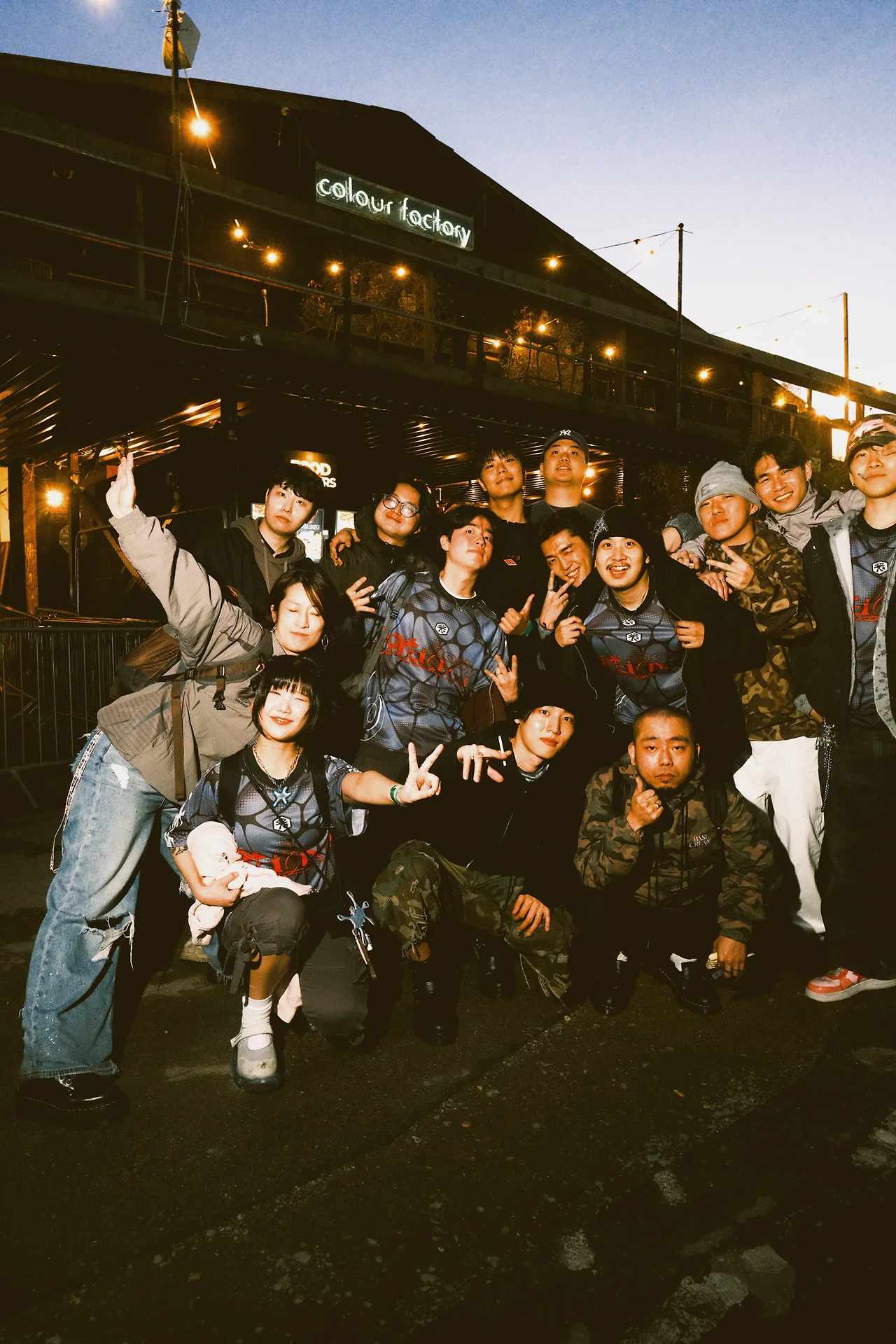

An immigrant is usually understood as someone who leaves the place where their life has taken root and arrives somewhere far away to live. More than ten years spent loving electronic music and dance music made me a willing outsider in Korean society and led me into cultural isolation. The music and people in distant lands across the sea, the incredible raves and DJ sets that existed only inside a rectangular screen, carried me into another world, then receded into the distance and left me behind once the lights went out. Though I was Korean and living in Korea, the cultural diaspora I felt may have been too faint to lay before anyone else. To me, however, it was something real and urgent.
foreign body began with the search for people like me. People who happened to be born in this faraway land of Korea, chasing something beyond their reach. People who had dreams but did not know where to go or whom to go with, feeling their way forward and walking through the dark. Lonely people who did not know they were lonely. Even if we did not know how to move forward, sharing warmth with someone beside us who held the same dream could help us take at least one more step. I wanted to make a space where similar loneliness and kindred dreams could gather and become a warm home for us.
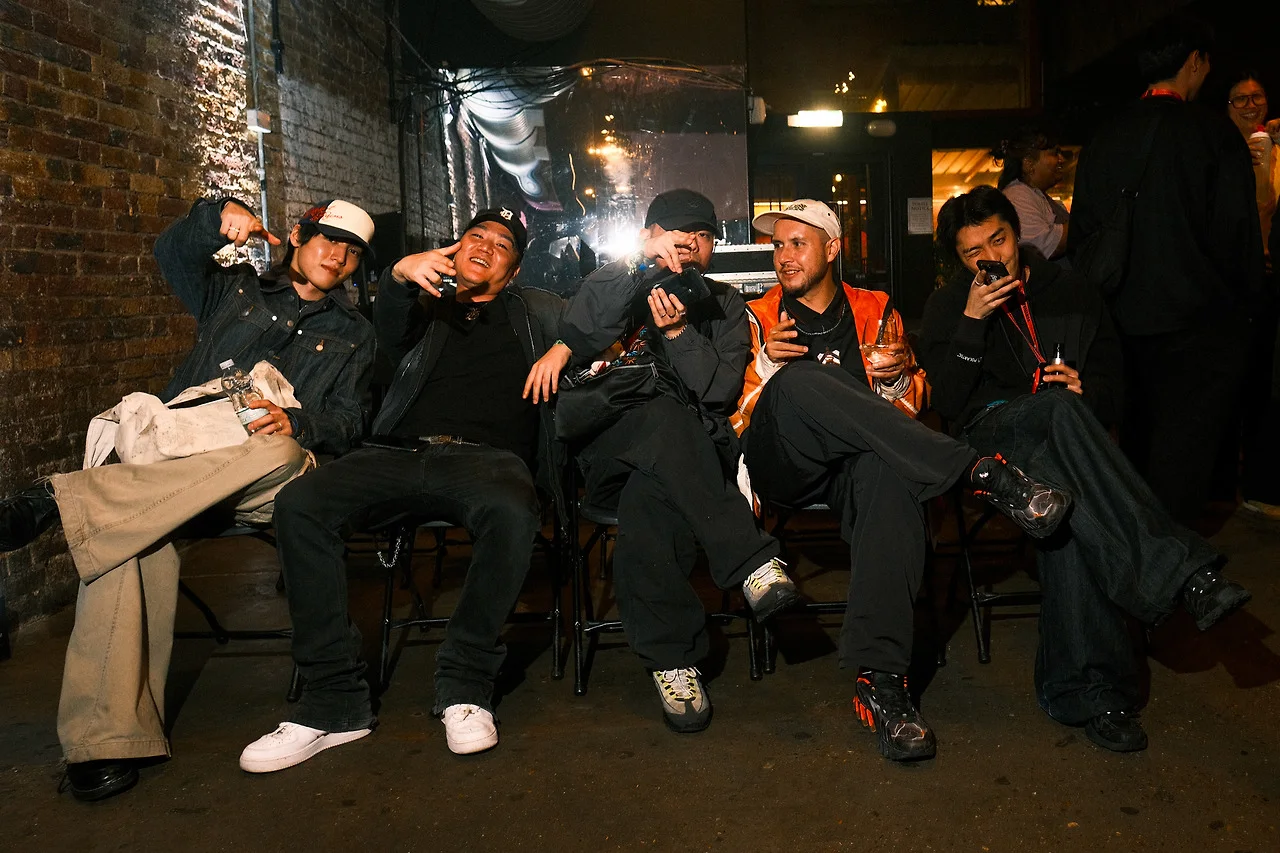
The truth is, making a living from dance music in Korea, an island in all but name, is like building a house on ground where no foundations were ever laid. Clubs and venues, places that should bring people together and provide a foundation for economic activity, operate under the legally unprotected classification of “general restaurant”, hanging paper signs that could be ripped away the moment it rains. DJs and producers work their day jobs during the week and play for ₩200,000 per set on weekends to keep themselves afloat. And that is the story of working DJs who are fortunate enough to be booked. Those watching them and building dreams of their own play for ₩80,000, sometimes for nothing. Even for a DJ working at a professional level, making a living from music alone is a difficult and gruelling journey.
Of course, things are not entirely different overseas. Rising costs, the decline of drinking culture and falling birth rates have sent club scenes around the world through an unexpected lean season. At a time when Teletech draws tens of thousands of people around the world and dance music accounts for a higher share of Spotify streams than ever, the club scene beneath it all is, ironically, fighting for survival. Korean clubs cannot escape those pressures, and DJs still being paid the same fees as a decade ago may not be a uniquely Korean problem after all.
But Korea’s dance music market, and Seoul’s in particular, still lacks a solid foundation from which DJs and producers can move beyond the country and expand their market overseas. Agencies handling bookings, management companies running artists’ careers and labels distributing music are all in short supply, so most DJs review contracts themselves, search for the cheapest connecting flights, send endless demos to A&Rs, draw their own crowds and even put on the events. With the arrival of new media, opportunities to reach places around the world at far lower cost than before have grown. Yet DJs lose most of their time to everything outside making and finding better music.
This missing foundation also makes it harder to build trust between Korea and overseas markets. Alongside agencies, management companies and labels, promoters who produce events professionally do more than keep the scene turning. They are proof that this cultural activity can function not just as a hobby, but as a commercially viable industry. To the West, Asia is little more than one large black box. If there is not even a path from that market to revenue, it is bound to remain an “Asia Vacation Tour” rather than an opportunity for expansion. Sometimes I get angry at the indifference and dismissal on the other side. Seen realistically, however, we have simply not yet become an attractive enough market. Look at K-POP. It was mocked for more than a decade as cheesy and childish. Now that albums sell and the market turns, more and more people are packing their bags and moving to Seoul.
Companies are cogs in the industry, and each one also functions as a form of media in its own right. Ninja Tune, which has spent more than thirty years introducing artists, has the power to say to its network and fan base, even about an artist who wrote their very first track only last night, “This is the music of the future.” Agents with twenty years of experience take the music and profile of a 21-year-old newcomer and email promoters around the world. From local clubs through London raves and all the way to support slots on stadium-scale North American tours, they design the staircase on which a new DJ can sharpen their craft and build a following. Without enough media of this kind in Korea today, every DJ has to build their own brand from the ground up, expand their own network and prove the worth of their catalogue, all while leaning on social media as the only megaphone and praying for a viral hit. We have handed the media’s pen to the algorithm.
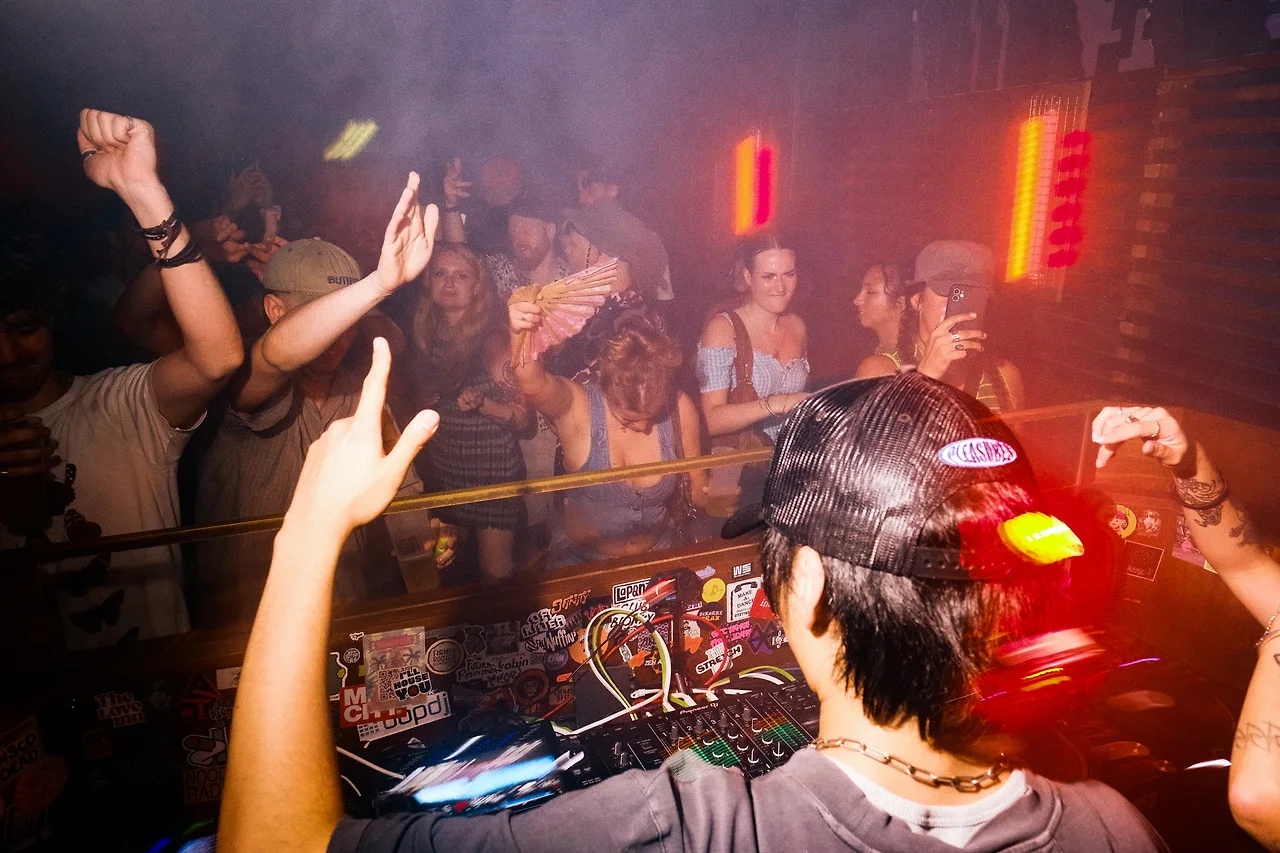
In the end, what artists need is an environment in which they can focus on music, and a platform that can support and amplify their work. Just as a middle-school student who dreams of becoming a comic artist uploads a webtoon to Naver’s Challenge Comics, or a part-time worker who dreams of becoming a rapper dreams of joining KC, the dance music scene needs more platforms, and a greater variety of them, that people can look towards as markers of what is possible. We need a door into the next chapter, one that gives people the strength to hold on without losing faith even when the present is hard.
Today, Korea has more highly skilled artists than ever before. There are also many pioneers taking on overseas markets alone and steadily making a place for themselves. What is missing are bridges to introduce them and connect them to those markets. If you cannot afford a ₩1.8 million return flight to play a ₩300,000 show, it is hard even to find the chance to stay up all night drinking beer and talking about music with a promoter in London. Even when we invite overseas artists to Korea, build relationships and introduce them to the scene, the financial scale of a club show makes it difficult to carry those relationships much further.
So this summer, I began knocking on doors without much of a plan. From small bars in London to clubs in Bristol, we introduced ourselves and made our case. I was starting something new too, so it was not as if I had any great connections. I contacted almost everyone I had met over the past few years through work, in clubs, or through friends of friends. It felt like running headfirst into a wall, but I had one thing I trusted. If I could only get our artists into the room, I knew they would put on a show as good as anyone. Thankfully, many people introduced us to those around them for one reason alone: they liked our music, regardless of money. That is how we were able to assemble around twenty gigs and radio-show appearances into the foreign body UK/EU Tour 2026. (The artists, of course, answered with some fucking great sets.)
Those communities, connected one by one, did not end as one-off meetings. Sustained connections gave rise to other communities. Points joined into a line, and the line began to form a picture. Before starting foreign body, I had thrown myself into all of this without properly understanding even one of the roles around me: DJ, producer, A&R, promoter, manager or agent. As time accumulated and I learned to endure the pain, the things I had begun blindly took on a shape that was faint yet increasingly clear.
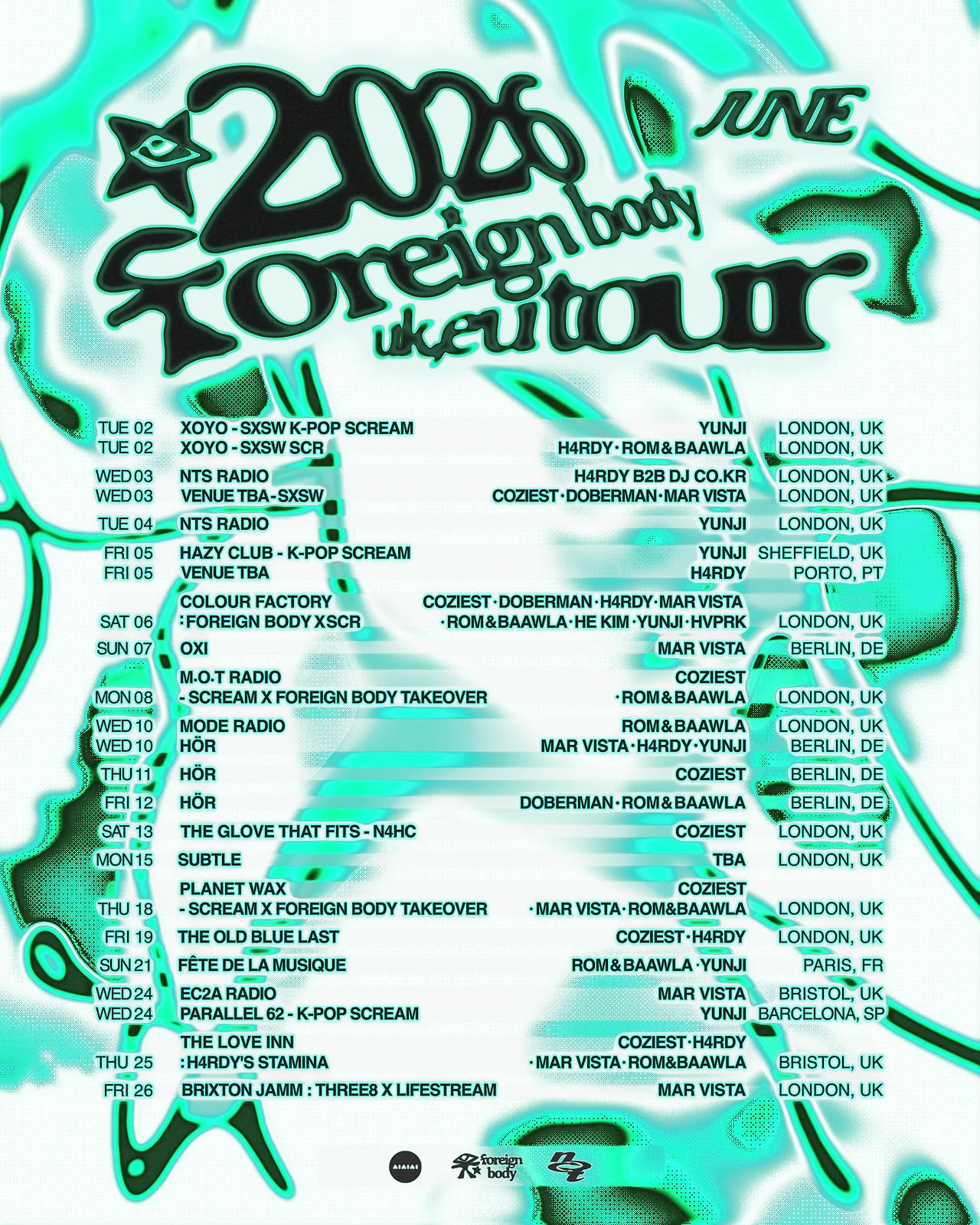
One interesting thing I learned, almost out of the corner of my eye, while travelling the world over the past few years was that, however different the shape of each person’s work, the essence that holds this industry up is the same. What had seemed like an arena of competition and struggle was, when I came closer, simply one person meeting another. The exclusion and gatekeeping scattered across the scene give way when people come together over good music. To put it more precisely, it is enough to keep company with the people who understand that essence. They are the ones who sustain this culture. The protagonist is not some rich billionaire. foreign body stands on this belief as well. To connect one person with another, and to create an environment in which good music can be made. We want to become a space like a warm home for those who keep trying.
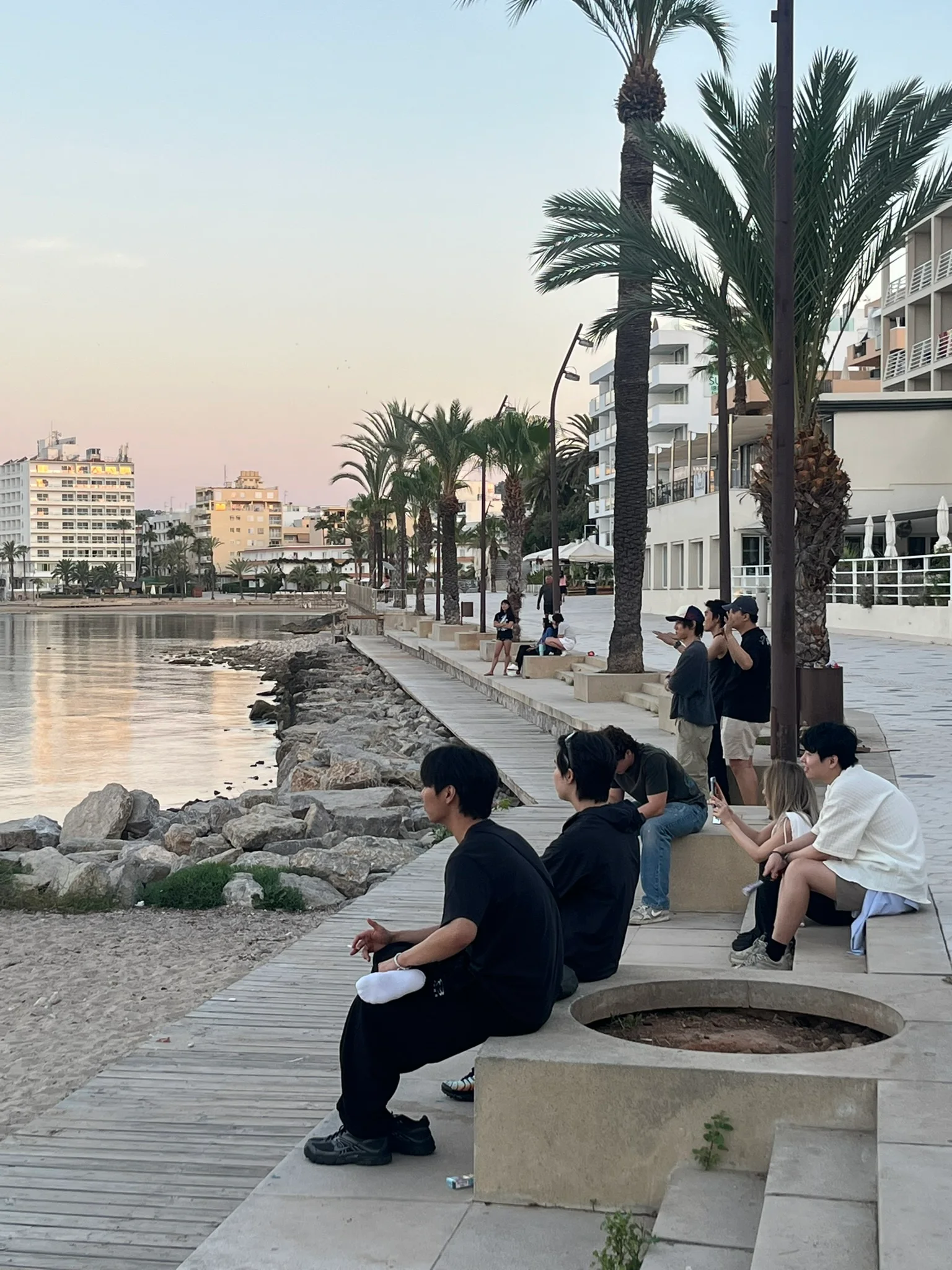
The tour is the starting point. It is also a good business model capable of generating revenue, but it is a journey: meeting new people and learning about music, learning one another’s languages and experiencing different cultures. Three or five years from now, at a festival in Manchester or a seaside café in Ibiza, I hope to raise a glass with friends and remember our first tour in the summer of 2026, by then already a memory. Until that future arrives, I want to keep trying, one day at a time.